
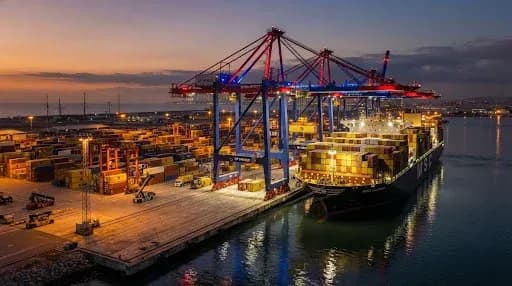
India's logistics sector is entering a decisive decade. Dedicated freight corridors are moving from blueprint to operation, deepwater port capacity is expanding along both coasts, and a new generation of multi-modal terminals is stitching rail, road and sea into one continuous network. For investors and operators, the result is a structural shift: logistics is no longer a cost line on the balance sheet but a strategic infrastructure asset with long-duration, inflation-linked cash flows.
From fragmented capacity to connected corridors
For years the sector was defined by fragmentation. More than ninety percent of activity sat with small, unorganised operators, cargo changed hands multiple times between factory gate and vessel, and dwell times at gateway ports routinely stretched beyond a week. That model is giving way to integrated corridors in which a single operator can plan, track and guarantee a shipment end to end. The Western and Eastern Dedicated Freight Corridors, the Sagarmala programme and the National Logistics Policy are aligning public investment with private execution, and the early numbers are encouraging: faster turnarounds, lower empty running and a measurable drop in logistics cost as a share of GDP.
At Group Delta we see this most clearly at the quay. When berth productivity, yard planning and evacuation by rail are managed as one system, throughput improves without adding a single new crane. Across the terminals we operate, coordinated berth windows and pre-advised rakes have lifted throughput efficiency by more than eighteen percent and allowed us to commit to a forty-eight hour turnaround service level for priority cargo.
Why multi-modal infrastructure changes the investment case
Multi-modal infrastructure compounds value in a way single-asset projects cannot. A deepwater berth is worth more when it is connected to an inland container depot by rail, and the depot is worth more when it sits on a corridor that shippers trust. Each connection reduces risk for the next investment, which is why long-term capital from pension funds, sovereign investors and infrastructure platforms is increasingly targeting integrated logistics portfolios rather than individual warehouses or terminals.
The investment case rests on three pillars. First, demand visibility: manufacturing incentives, the China-plus-one shift and rising domestic consumption give volume forecasts a firm foundation. Second, contracted revenue: concession agreements, take-or-pay arrangements and long-term handling contracts make cash flows predictable. Third, operational upside: digitisation, automation and better asset utilisation allow experienced operators to grow margins well after the construction phase is complete.
Global trade corridors are being redrawn
India's position on emerging east-west trade routes adds a further layer of opportunity. Corridors linking the subcontinent with the Gulf, Europe and Southeast Asia are drawing new shipping services to Indian gateways, while transhipment capacity that once sat offshore is beginning to return home. Every new mainline service calling directly at an Indian port lowers transit times for exporters and strengthens the case for hinterland investment behind that port.
For operators, the challenge is to be ready before the volumes arrive. That means planning berth expansions alongside rail sidings, investing in equipment that can scale with demand and building the workforce and systems that keep service levels steady as volumes climb. It also means treating sustainability as a design requirement: electrified equipment, shore power and efficient evacuation by rail are increasingly preconditions for winning long-term contracts with global shipping lines and cargo owners.
What this means for stakeholders
For investors, integrated logistics offers a rare combination of growth and resilience, provided capital is paired with operators who understand the realities of the quay and the yard. For shippers, the shift promises lower inventory costs, more reliable lead times and a genuine alternative to longer, costlier routings. For communities around ports and corridors, it brings skilled jobs, better connectivity and, when done responsibly, a cleaner operating footprint.
Group Delta has spent nearly four decades building this kind of capability across ports, shipping, logistics and engineering. We have handled more than fourteen hundred vessels, run terminals under long-term concessions and delivered the civil and marine works that make new capacity possible. That experience shapes how we assess the opportunity ahead: the winners will be those who connect assets into networks, measure performance relentlessly and plan for the volumes of the next decade rather than the last.
Measuring what matters
Integrated corridors only deliver value if performance is measured honestly and shared openly. At the terminals we run, every vessel call is benchmarked against berth productivity, crane moves per hour, yard dwell time and rail evacuation targets. Those numbers are reviewed daily by operations teams and weekly with customers, so that bottlenecks are identified early and fixed at the source rather than absorbed as delay further down the chain. Over time this discipline builds the trust that persuades shipping lines to commit new services and cargo owners to route more volume through a corridor.
The same approach applies to capital projects. New berths, rail sidings and inland depots are planned with clear performance cases, and progress is tracked against both schedule and the operational outcomes the investment is meant to unlock. When a project is designed around measurable service improvements, rather than capacity alone, it is far easier to align lenders, concession authorities and customers behind it, and far more likely to deliver the returns investors expect.
Managing the risks
No infrastructure opportunity is without risk. Land acquisition, regulatory approvals, cost overruns and volume ramp-up can all delay returns, while global trade remains exposed to geopolitical shocks and freight-rate cycles. The most resilient portfolios spread exposure across cargo types, gateways and customers, and they are run by operators with the engineering depth to control construction risk and the commercial relationships to fill new capacity quickly. Careful contract structuring, phased expansion and conservative demand assumptions turn a promising market into a dependable investment.
Climate resilience is now part of that equation. Ports and corridors must be designed for higher sea levels, more intense monsoons and stricter emissions rules. Investments in drainage, elevated platforms, electrified equipment and renewable power protect assets over their full concession life and increasingly determine access to green finance and long-term contracts with global cargo owners who report on their own supply-chain emissions.
Partnership will matter as much as capital. Few organisations can deliver every link in a modern logistics chain on their own, so the strongest platforms bring together port operators, shipping lines, rail operators, technology providers and public authorities around shared performance goals. Joint planning forums, aligned incentives and common data standards turn individual assets into a network that behaves as one. Group Delta has built its businesses on exactly these partnerships, and we expect them to define how the next generation of Indian trade infrastructure is financed, built and operated.
Looking ahead
The next five years will determine which corridors become the backbone of Indian trade. Policy support is in place, demand is building and capital is available. What remains is execution: the patient work of integrating berths, yards, rail and roads into a system that shippers can rely on every day. For those prepared to do that work, India's logistics sector represents one of the most compelling infrastructure opportunities anywhere in the world.
As corridors mature, data will become as important as concrete. Real-time visibility of vessel arrivals, yard inventory and rake availability allows every party in the chain to plan with confidence, and it turns infrastructure capacity into dependable service. Operators that invest early in common data platforms, transparent performance reporting and close coordination with customs and port authorities will set the benchmarks that the rest of the market follows.
Talent is the other decisive factor. Modern terminals and corridors need planners, engineers, equipment operators and digital specialists who understand both the technology and the realities of daily operations. Building that workforce through training academies, apprenticeship programmes and partnerships with local institutions is a long-term investment, but it is one that pays back in safer operations, higher productivity and stronger relationships with the communities that host critical infrastructure.


